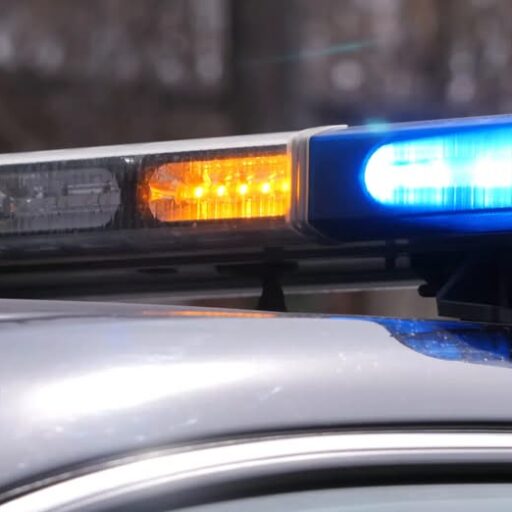
WhistlinDiesel Crash Update — Online discussions surrounding internet personality WhistlinDiesel frequently resurface whenever one of his high-risk automotive videos goes viral. Known for pushing vehicles and heavy machinery to their limits through dramatic stunts, the creator has built a reputation for producing content that can easily be mistaken for genuine emergencies when viewed out of context. As a result, rumours of a “WhistlinDiesel crash” often spread quickly across social media despite a lack of verified reporting.
Much of WhistlinDiesel’s content is intentionally designed around controlled vehicle destruction and extreme performance testing. His videos regularly feature trucks, sports cars, construction equipment and other machinery subjected to unusual stress in carefully planned productions. While the footage may appear chaotic, these scenes are generally created for entertainment rather than documenting real-world traffic accidents.
Professional automotive stunt productions typically involve extensive planning before filming begins. Safety measures may include closed filming locations, vehicle inspections, emergency response planning, fire suppression equipment and personnel trained to respond if an incident occurs. These precautions help distinguish organised stunt productions from genuine roadway collisions or unexpected accidents.
The viral nature of short-form video has also contributed to widespread misinformation. Individual clips are often shared without their original context, leading viewers to believe they depict serious crashes or life-threatening incidents. Without confirmation from official sources or the content creator, such claims should be treated with caution rather than accepted as fact.
WhistlinDiesel’s content has also sparked broader discussions within the automotive community about the balance between entertainment and responsibility. Supporters view the videos as highly produced demonstrations intended for online audiences, while critics argue that extreme automotive content can influence risky behaviour if viewers attempt to imitate similar stunts outside controlled environments. These debates continue as automotive entertainment evolves across digital platforms.
At the time of writing, there are no verified official reports accompanying the information provided that confirm a recent real-world WhistlinDiesel crash requiring emergency response. Viewers are encouraged to rely on confirmed statements from the creator or relevant authorities rather than social media speculation. Distinguishing between professionally produced stunt content and genuine accidents remains essential for promoting accurate reporting, reducing misinformation and encouraging safe behaviour around vehicles.